
Tariff threat tyranny
When discouraging fentanyl and illegal immigration also discourages half the population from eating regularly

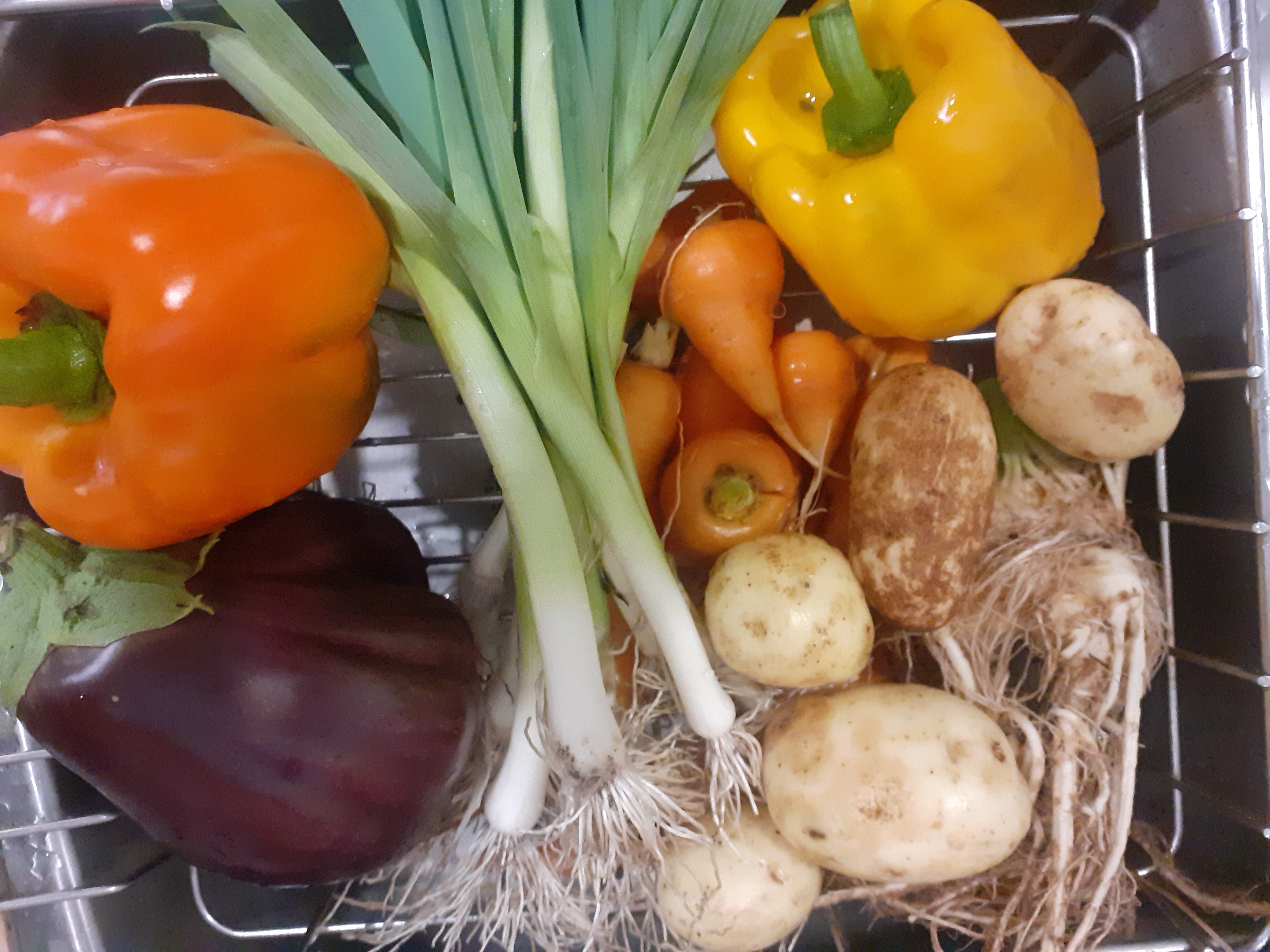
We may have gotten a 30-day reprieve from the Canada-US tariffs that were to be introduced Feb. 4. But there’s a valuable take away from this underhanded bid to play politics with two nations’ food security at a time when economies and food supply chains are already weakened.
Unless you’re one of the multi-million or billionaires who made the threats, setting a 25% tariff on all goods crossing the border would be a devastating blow to the family budget. (Trudeau is of course making decisions without input from the duly-elected members of the parliament that he prorogued last month when promising to resign.)
To recap for those of you who’ve been holidaying on a desert island or some such: In what he claimed was an effort to combat fentanyl and illegal immigrants crossing our mutual border, US President Donald Trump last week announced that he’d be subjecting Canadian imports to a 25% tariff.
Claiming that only one percent of fentanyl entering the US comes from Canada, Canadian Prime Minster Justin Trudeau then announced a retaliatory tariff on US goods. Although 10 times more people apparently cross into the US illegally from Mexico than Canada, we both merited the same tariff. Mexico then received a last-minute reprieve after vowing to station thousands of federales - and everyone knows they’re beyond corruptible - along the southern border. Despite claiming that his many talks with China about stopping the flow of drugs were “to no avail,” Trump set China’s tariff at only 10%.
I’m not sure if we assigned a few thousand Mounties in red serge to conduct a musical ride in the forest along our southern border or what caused Trump to re-think the misguided tariff approach. But if he decides he isn’t happy with us for any reason in the future, we now know that hefty price increases on both sides of the border aren’t outside the realm of possibility despite our long history of cooperation.
Canada is the US’s second largest trading partner after China. Totalling $923 billion in 2023 with exports split almost equally, our two countries have the largest trading relationship in the world.
“The trade relationship between the two countries crosses all industries and is vitally important to both nations’ success,” Wikipedia states.
This relationship supports 125,000 Canadian auto industry jobs. Ninety percent of the 3,300 cars produced in Canada daily go to the US.
Would Americans buy Canadian-made cars that cost 25% more? Unlikely.
That single example of the multitude of jobs that hang in the trade balance in a North American economy that’s still reeling from Covid lockdowns doesn’t even consider the impact on small businesses.
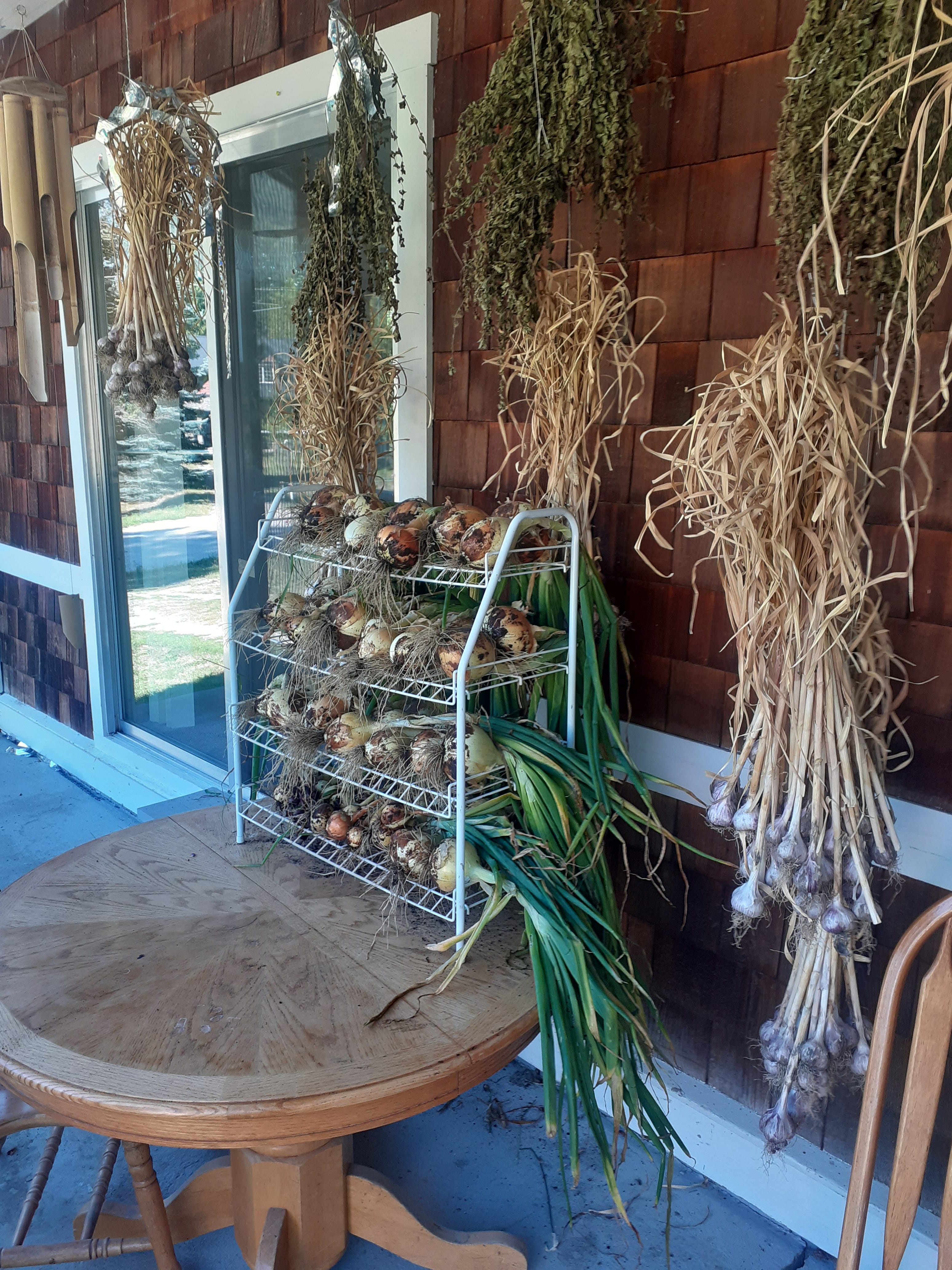
On the same note across the border, Canada is the single largest destination for “high-value” US agricultural product exports - a big business that supports over 135,000 US jobs.
“Proven sales in Canada are important to help persuade category buyers to list new products,” the US International Trade Administration (USITA) states. “Some premium consumer packaged food products are sold in Canada at three times the comparable US retail price.”
If they cost even more, would Canadians continue to buy these sometimes scandalously overpriced “high-value” agricultural products so we can help persuade American category buyers to list new products? Probably not.
In general, food is a necessity of life though. Under this new and decidedly unfriendly threat from our closest neighbour, everything from imported soup to nuts would cost 25% more … and this when it already costs a lot more than it did pre-2020.
Canadians and Americans both eat tonnes (or tons) of food imported from the other. While about 10% of US imports from Canada are food products, Canadians rely more on Americans for their daily bread. This is partly because while Canada is the fifth largest food exporter in the world it is also the sixth largest food importer.
And that, according to a York University Food Policy for Canada report titled Reliance on Exports, isn’t good economic practice. Apparently economic theorists have argued for years that the “import replacement approach” - exporting only food that is surplus to a country’s needs - makes more economic sense than does the approach Canada has intentionally taken.

In the event of outrageously high tariffs threatened by your biggest trading partner, it makes sense from a food security perspective too.
“But this is not what Canada does. And … (the) government and most of the conventional agri-food sector are demonstrating that they do not understand the failures of the export model,” the report states. “Some of the deficit in horticultural products is due to the seasonality of the Canadian growing season, but a significant percentage of the crops that comprise this deficit could be produced and stored here if it were a priority of domestic agricultural policy.”
As a result of national food security not being a priority for the Canadian government, an estimated 75% of our fresh vegetables are imported - half of that from the US - and 37% of our fruit is imported from the US. A whopping 90% of leafy greens are imported, mostly from California.
“Canada does have the capacity to expand domestic greens’ production significantly, but these foods receive little policy support from governments,” the York University study states.
Meanwhile, we export 52% of our fruit and veggies. Despite producing much of the food we would need to avoid the food security aspect of threatened US import tariffs, existing trade contracts between Canadian growers and American buyers would force us to keep exporting our home-grown food and importing American-grown food even though, with tariffs in place, imported food would cost more than many families could afford.
A poll by Leger conducted in October 2024 showed that almost half of Canadians are living paycheque to paycheque. An August 2023 Forbes article states that 61% of Americans are living paycheck to paycheck. (My Canadian-centric spellcheck - or is that spellcheque? - doesn’t approve of Americanized spelling such as “paycheck”.)
It wouldn’t be easy on either side of the border for at least half of our respective populations to afford food if prices were to jump drastically. While Canadians would be hit harder, American are already struggling to harvest crops in areas where that work was done by undocumented workers. According to news reports, huge numbers haven’t shown up for work in fear of being arrested and deported. Farms will have to pay documented workers more to do the same job. That will increase the cost of food as well.
(That’s not a judgement on whether it was the right decision to deport undocumented workers. It’s a judgement on elected official who fail to plan for the consequences of their decisions, thus ensuring their citizens aren’t unduly impacted.)
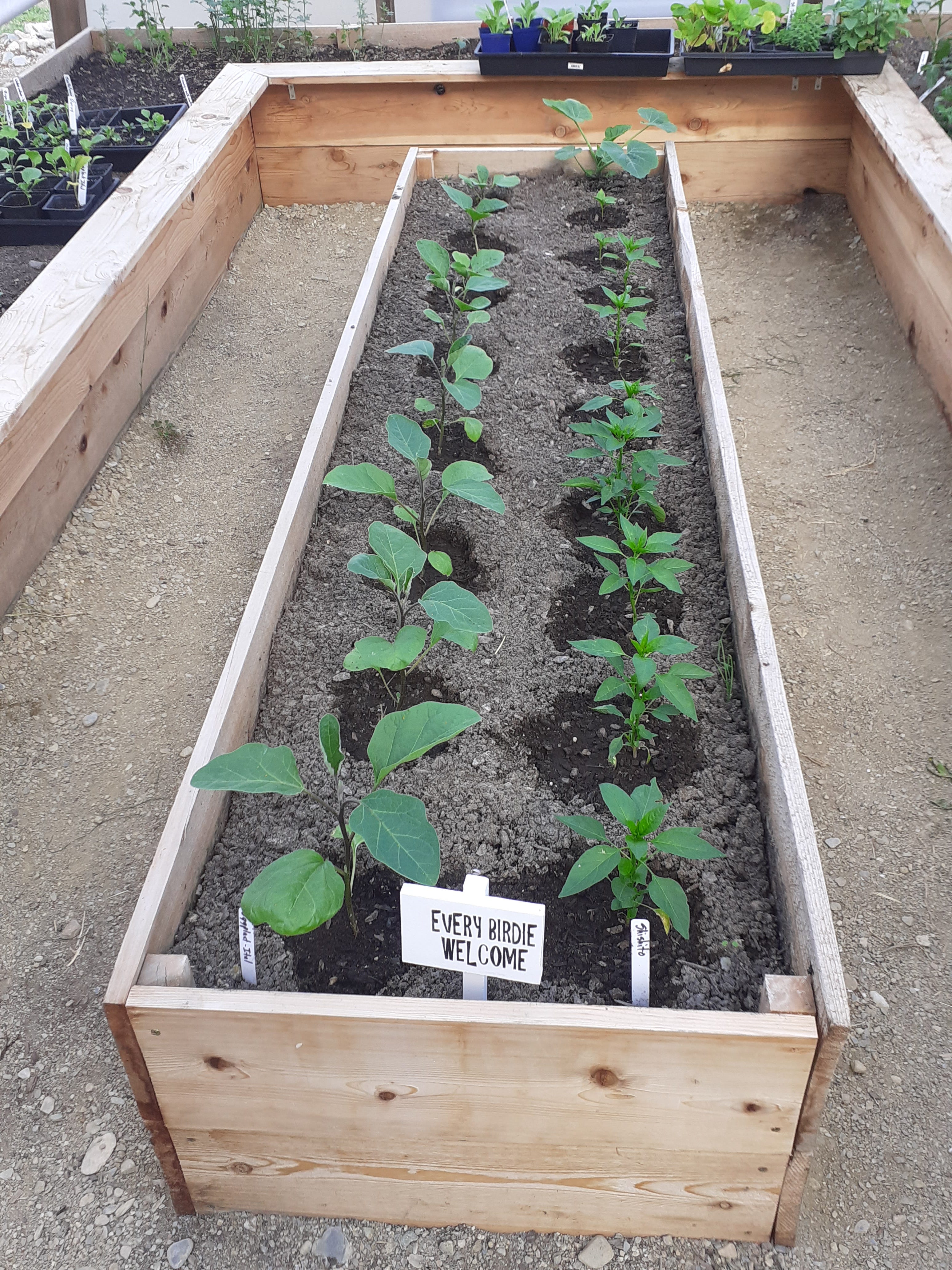
Then there’s potash. The US produces only 10% of the potash necessary for conventionally grown crops, especially corn. Canada supplies a whopping 87% of these valuable potassium salts. Increasing the cost due to tariffs is another reason food would cost more in the US and not just in Canada.
Historically speaking, when a state is in the process of making radical changes to the political system and public compliance is required, food is often used as a weapon or is at least involved in one way or another.
Consider the Russian famine of 1921-1922, which was partially due to economic disruption from the Russian Revolution and civil war.
The Holodomor in Ukraine which occurred in 1932-1933 resulted primarily from Joseph Stalin's policies aimed at “collectivizing agriculture and suppressing Ukrainian nationalism.”
The Great Chinese Famine from 1959 to 1961 which was thanks to the Great Leap Forward - a policy to transform China from an agrarian to an industrial society that saw Chairman Mao Zedong collectivize farms, forcing the majority of China’s peasants into huge, ineffective state-owned farms.
I’m not saying “they” are planning to starve us. But let’s say that, instead of a Great Leap Forward, you wanted to implement a Great Reset by 2030. Wouldn’t making food more expensive and putting small businesses out of business make that easier?
Or let’s imagine you wanted a North American Union - because the European Union’s working out so well! - and knew Canadians didn’t want to become the 51st state - because most of us don’t. Wouldn’t making food more expensive and taking a wrecking ball to what’s left of the economy make that easier?
And let’s pretend your people wanted a president who promised to send illegal immigrants home. Wouldn’t he know that those same immigrants harvested the country’s food; that tariffs levelled at your biggest trade partner would increase the cost of food while many citizens were already living hand to mouth?
I think he would. So if you’re hero worshipping Trump because he’s getting busy making America great again, ask yourself how great it would be to pay a lot more for food because of tariffs on food crossing the border, increased fertilizer costs and higher agricultural worker pay. Ask yourself why he didn’t mitigate these concerns by planning ahead before starting to round up illegal immigrants and threatening his neighbours and trading partners.
Then ask yourselves what we mere plebs can do - in the absence of unlimited financial resources - to ensure we aren’t at the whim of politicians who don’t seem to care that their political posturing threatens where our next meal is coming from.
I say we develop our own local food security systems and become as self-sufficient as we can, with what we have to work with.
We dig up the lawn and plant a vegetable garden; grow as much of our own food as possible. In small yards, we grow vertically. Even apartment dwellers can grow a surprising amount of food in containers. Greens, as well as sprouts and micro-greens, can be grown indoors year-round. Brassica vegetables such as kale, Brussel sprouts and mustard greens will survive even the coldest winter in cold frames.
We trade crops with our friends and neighbours. (Zucchini anyone?!)
We join or start community gardens.
We encourage our community leaders to turn some public spaces into edible gardens and to convert some flower beds to veggie gardens.
We buy from local farmers when possible to encourage food security in our communities.
We better our own health and that of our environments by adopting people- and ecology-friendly gardening methods and supporting organic farmers. This also reduces reliance on foreign-sourced fertilizers.
And we let our elected officials at every level know that food security is a priority because you never know when you biggest trading partner is going to decide to make hunger great again.

Bill Gates and Ted Turner are now the largest private owners of farmland in the US. They know that whoever controls the farmland controls the food and whoever controls the food controls the people.
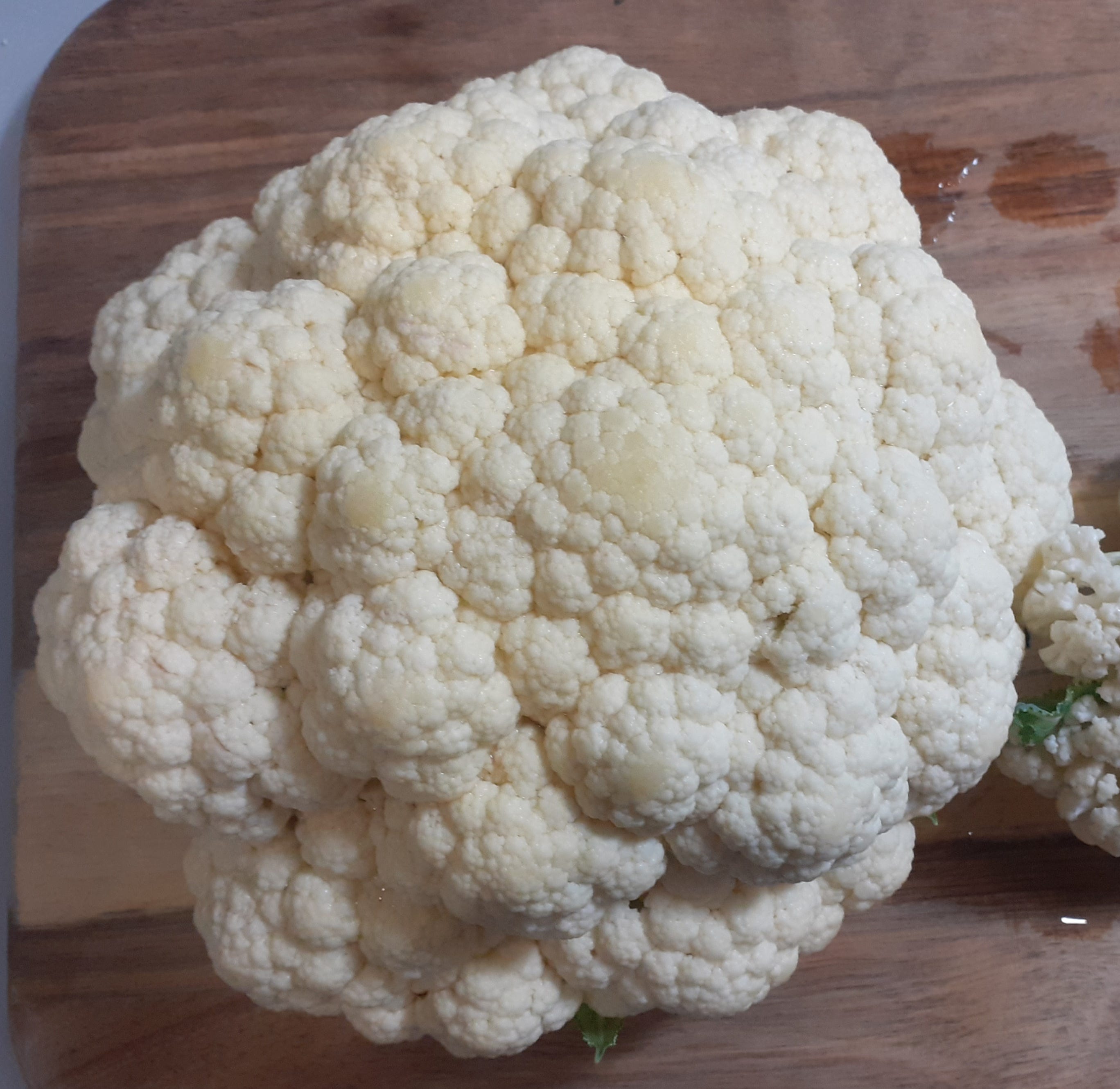
If you don’t want billionaires with private jets and agendas fudging with your food, commit to your own food security. Commit to a garden. Once you’ve tasted home-grown cauliflower, you’ll never go back!
Thanks for reading! If you enjoyed this post, please consider sharing it or subscribing. And I’d love to hear your thoughts on tariffs, Trudeau, Trump or tending turnips
Your neighbours up the road just read your article.
H's thoughts are "resistance is fertile".
L's thoughts are that the idea of tariffs aren't necessarily a bad thing as that leads down the path towards more local economies. The pain that comes from that transition, however, affects the poor more than the rich, and she hates that.
T's thoughts: Governments generally disapprove of self-sufficiency as it makes its people less reliant and pliable to their scheming. The resistance is going to have to be local, and in the long run, we'll be back to local economies simply due to the limits of energy and civilizational complexity.
You've just earned yourself a new subscriber and lot of respect from the wife, who singlehandely provides both of us with more than a year's worth of a wide variety of vegetables - and knows how to cook them, too.
Wonderful Substack!